NTSB changed wording in Investigative Update on crash of Atlas Air B767 flight 3591
NTSB released at March 13, 2019 an Investigative Update describing details on the crash of the Atlas Air Boeing 767 Freighter. The aircraft entered a rapid descent from 6,000 feet and impacted a marshy bay area about 40 miles southeast of George Bush Intercontinental Airport (KIAH), Houston, Texas.
The initial wording used by NTSB in the investigative update suggested one of the pilots moved forward the control yoke (column input). This is an a-typical response in a situation to recover the aircraft. This wording could be understood as a deliberate act to crash the aircraft.
Also, about this time, the FDR data indicated that some small vertical accelerations consistent with the airplane entering turbulence. Shortly after, when the airplane’s indicated airspeed was steady about 230 knots, the engines increased to maximum thrust, and the airplane pitch increased to about 4° nose up and then rapidly pitched nose down to about 49° in response to column input. The stall warning (stick shaker) did not activate.
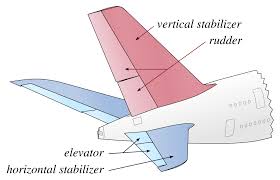
However, hours later the text was modified by the NTSB. The ‘column input’ was changed to ‘nose-down elevator deflection’.
Also, about this time, the FDR data indicated that some small vertical accelerations consistent with the airplane entering turbulence. Shortly after, when the airplane’s indicated airspeed was steady about 230 knots, the engines increased to maximum thrust, and the airplane pitch increased to about 4° nose up. The airplane then pitched nose down over the next 18 seconds to about 49° in response to nose-down elevator deflection. The stall warning (stick shaker) did not activate.
Elevator deflection means the position of the elevator was changed but the cause of the change was removed by NTSB. A very remarkable change of text.
Gregory Allen “Greg” Feith is an American former Senior Air Safety Investigator with the National Transportation Safety Board (NTSB). Today on Denver News Channel 9, while commenting on the 737 Max crashes, Greg Feith said this, verbatim:
and a lot of carriers overseas, they are so automation dependent that they don’t know, based on their training, when to intervene, and if there is a problem they continue to try to use the automation. We’ve seen that now in three accidents. Lion Air, Ethiopian, and in fact, Atlas Air, the one that crashed in Houston. The automation was still coupled, the pilots didn’t hand fly the airplane when they lost control and even through the recovery they were fighting the automation.
This line suggest the autopilot was causing the engines to maximum thrust while at the same time put the nose of the aircraft down.