

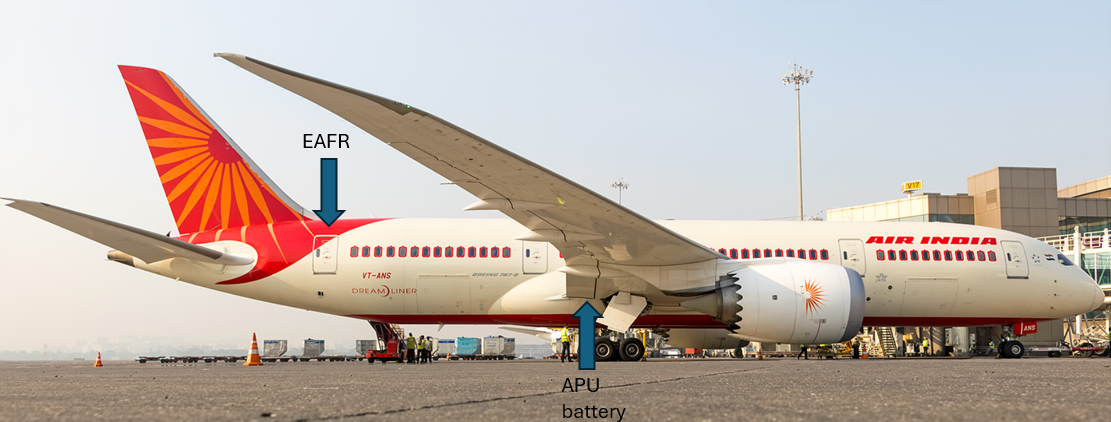
The battery for the APU of a Boeing 787 is located near the main landing gear. Not near the EAFR
Media in India, some retired pilots and self proclaimed experts believe the cause of the crash of the Air India B787 could have been an electrical issue. They believe so because the EAFR (also known as blackbox) in the back of the aircraft was heavily damaged due to fire. This while the tail does not show any sign of fire.
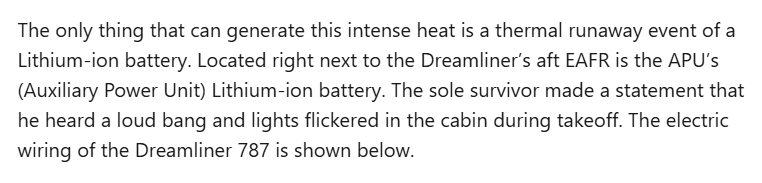
The believe of the India media and experts is wrong. One of those self proclaimed experts is John Ranjit , founder of IT company Hawkai Data. In a post on Linkedin he states the text shown below.
John Ranjit is wrong. The APU-battery is not located next to the aft EAFR. The photo below shows the location of the aft EAFR (one of the two black boxes) as well as the battery of the APU. The battery is required to start the APU. Like a car needs a battery to start the engine.
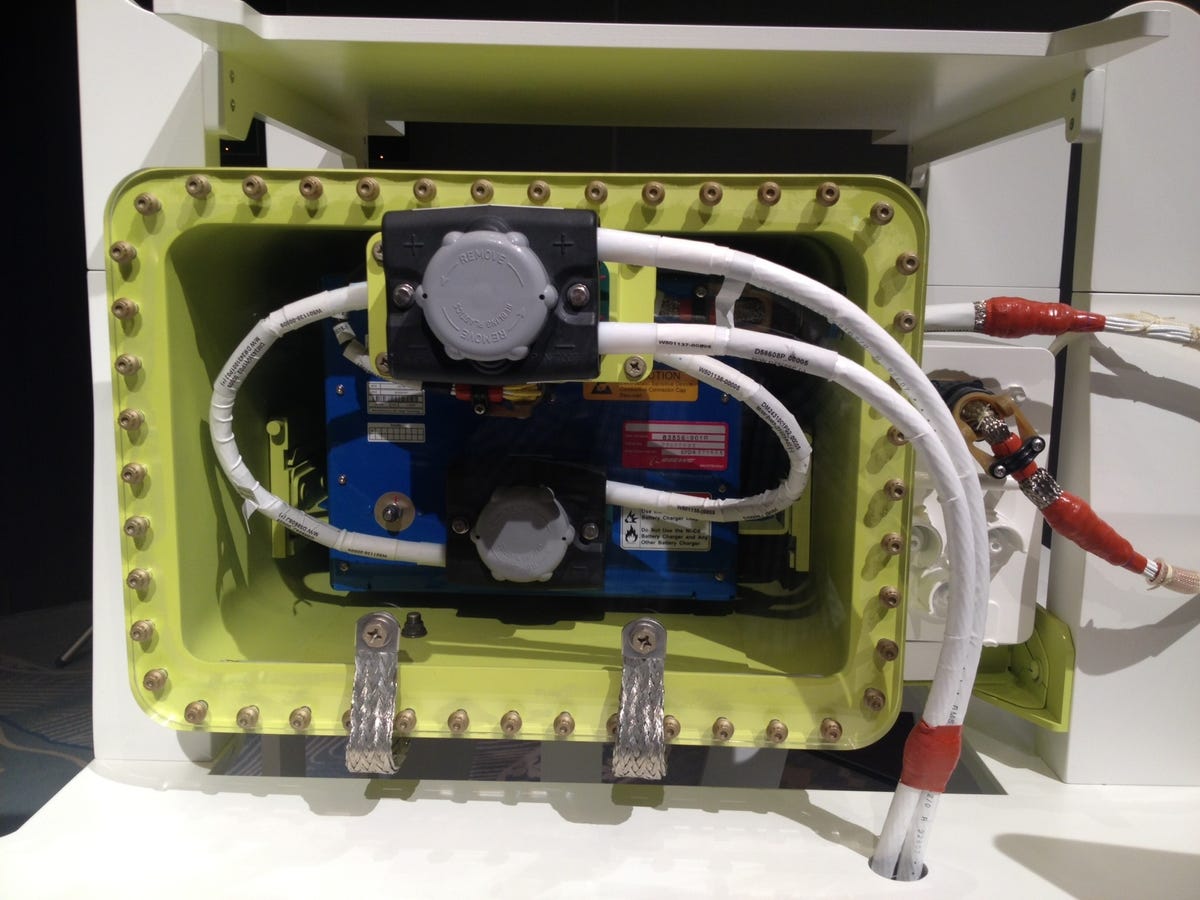
Also the claim of a thermal runaway is wrong. The battery in enclosed in a steel case. The reason for that is to prevent a thermal runaway.
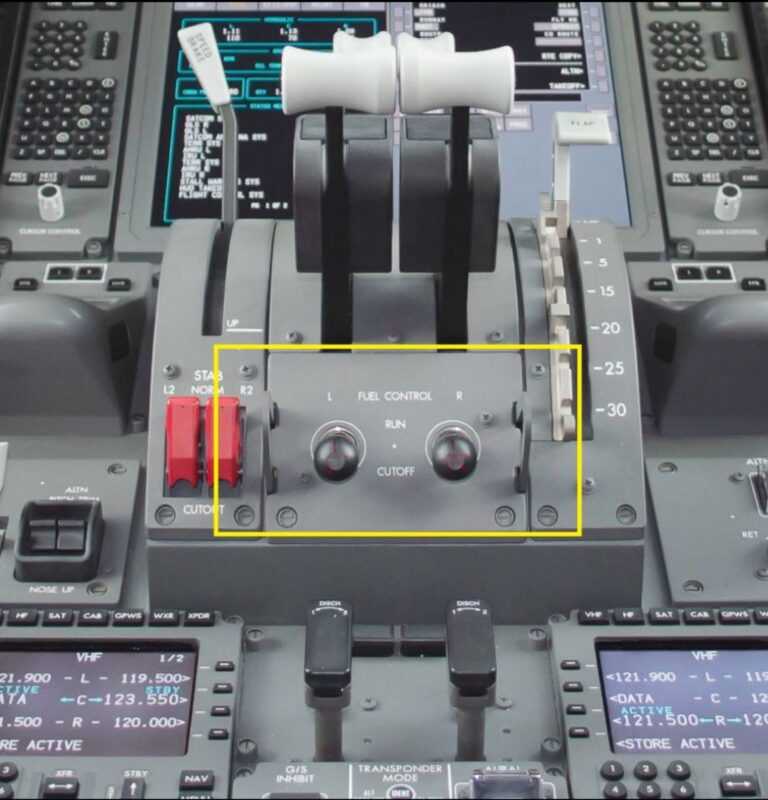
Last but not least: a thermal runaway is not a reason to set both switches to CUTOFF three seconds after liftoff and not a single indication of any issue.
The claim by John Ranjit on Linkedin:
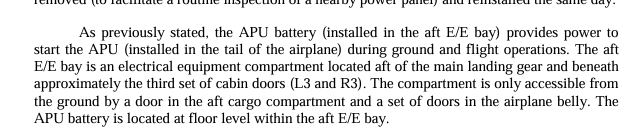
The location of the APC battery is in the aft Electronics and Equipment Bay (E/E bay). The text below is taken from a NTSB investigation into a fire inside the battery of a JAL Boeing 787.
The aft E/E bay is located near the main landing gear as the image below shows (source).

This video from Stig Aviation shows how the battery looks like. The video shows the APU battery is located in the aft E/E bay which is near the main landing gear.To prevent fires inside the battery spreading to other parts of the aircraft the battery is enclosed in a 1/8-inch stainless steel case. Seen in the photo below (source).
The aft EAFR of a Boeing 787 is located near station STA 1847. That is the near the galley in the back of the aircraft.
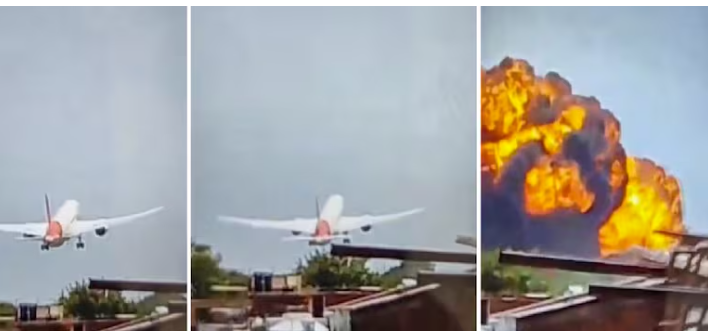
A lot more of what Ranjit write is not correct. The damage of the aft EAFR is extremely likely caused by the fire after the aircraft crashed.
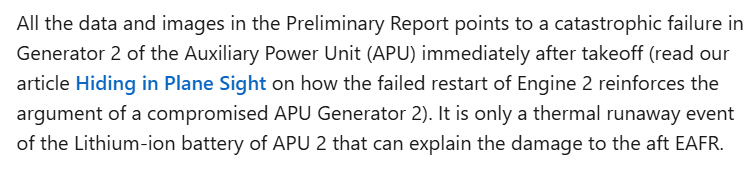
Why Ranjit writes claims which are within minutes of research can be debunked is not known. He is not the only person who cannot accept the most likely cause is pilot error. The text below in an indication. Why would the AAIB ‘ stood up for the pilots”? Aviation needs an unbiased organization which find the cause of a crash. The results of a crash investigation must be used to make aviation safer. Ignoring the possibility of pilot error does make aviation less safe.

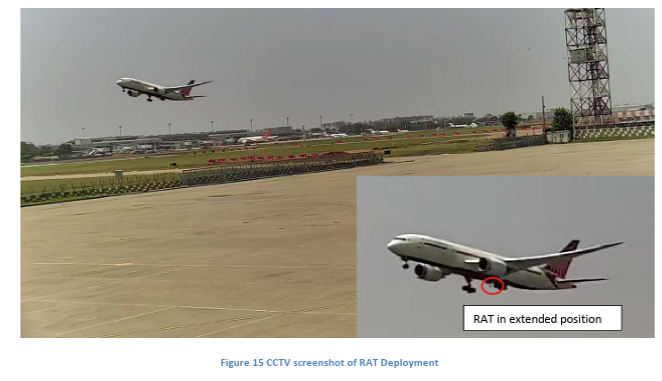
Another claim of Ranjit is also factual incorrect. He claims the RAT was deployed between 08:08:39 and 08:08:40. Now the preliminary report does not mention the exact time of the RAT deployment. The only indication the public has on deployment of the RAT is the screenshot of the CCTV camera included in the report.
We do know the time the aircraft liftoff from the runway. That was 08:08:39. The location of the Boeing 787 in the CCTV screenshot below certainly is not at liftoff or 1 second later. Based on the length of the aircraft and its climb speed the aircraft had liftoff around 5 seconds ago.

Conclusion:
John Ranjit writes nonsense.


Just a small correction. The battery enclosure does not prevent thermal runaway. It just contains the thermal runaway until a certain pressure is reached. Then it blows a pressure relief plug, venting the gases outside of the aircraft. Better battery design and limiting charging voltages/currents help prevent thermal runaway. The location of the Aft EAFR may vary between 787 models. I’ve seen a photo of a 787-9’s Aft EAFR above the aft galley, well behind the rear cabin doors (and close to the Aft Pressure Bulkhead), although your location seems to mirror the Forward EAFR location which is above door 1 Left (shown in another photo). Above the aft galley is a more typical Boeing location. But, as you say, nowhere near the main batteries. Thank you.